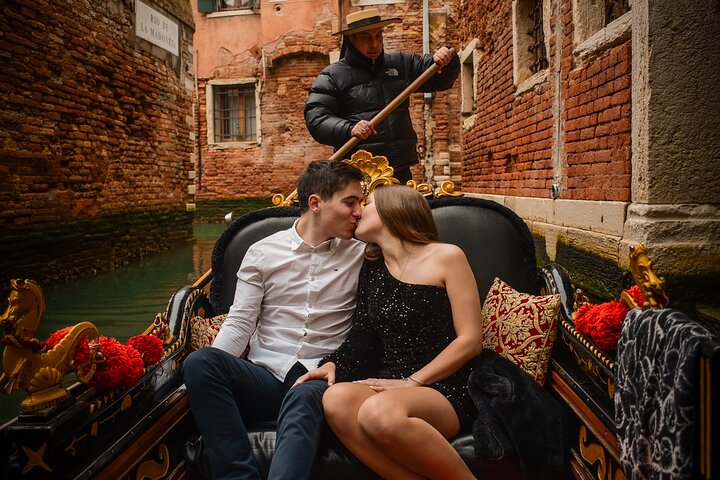
Things to Do in Venice
A sinking city built on water, where every alley ends at a canal.
Top Things to Do in Venice
Find activities and tours you'll actually want to do. Book through our partners -- no booking fees.


Plan Your Trip
Essential guides for timing and budgeting
Climate Guide
Best times to visit based on weather and events
View guide →Day Trips
The best excursions and nearby destinations worth the journey
Explore day trips →Where to Stay
Best neighbourhoods, hotel picks, and booking tips
Find hotels →Travel Insurance
What's required, what coverage matters, and how to get a quote
Read guide →What to Pack
Climate-specific gear, essentials, and what to leave at home
See packing list →When Should You Visit Venice?
Tap a month for weather, crowds, and highlights
View full year-round climate guide →


Your Guide to Venice
About Venice
Venice never gives itself up to gondolas. You meet it at 6 AM on the Zattere promenade, when water slaps Istrian stone and the air carries brine and damp plaster. The city balances fragile grandeur: Basilica di San Marco's gilded mosaics shimmer above a square that floods under a few centimeters of acqua alta, while Cannaregio's laundry lines stretch over canals where paint peels in perfect, melancholy patterns.
This is no museum. It is a lived-in labyrinth. The vaporetto water bus from San Marco to the Rialto Market costs about 9.50 euros. The cicchetti you'll eat standing at a bacaro in Dorsoduro, perhaps a baccalà mantecato on crusty bread, run 2 or 3 euros a piece, cheaper than the bottled water at your hotel. The trade-off is the midday crush: the narrow calle between the Rialto Bridge and the Frari church becomes a single-file parade of rolling suitcases and raised selfie sticks.
Come for the postcard. Stay for the hour after the day-trippers' trains leave, when the city exhales back into the hands of Venetians who can still navigate it blindfolded.
Travel Tips
Transportation: Forget cars. Your feet and the vaporetto system are everything. The single-ride ticket is expensive. The 24, 48, or 72-hour travel card is the only financially sane move for getting around. The number 1 vaporetto is the slow, scenic Grand Canal route. The number 2 is the express. The real hack is the traghetto, a gondola ferry across the Grand Canal at key points like Santa Sofia near the Rialto. It costs about 2 euros, takes 2 minutes, and saves a 20-minute bridge walk. Never hail a water taxi from the airport unless money is no object. The Alilaguna ferry is a fraction of the price.
Money: Cash is still king in Venice, at bacari wine bars, smaller shops, and for that traghetto crossing. Cards work at most sit-down restaurants and hotels. A classic pitfall is the 'coperto' (cover charge) and 'servizio' (service charge) added to restaurant bills. They are standard. But check the menu fine print to avoid surprise. The best way to save is to eat like a local: have a spritz (about 3-5 euros) and cicchetti at a standing-room-only bacaro in the late afternoon instead of a full, expensive dinner. Tipping is not expected. Rounding up the bill or leaving small change is sufficient.
Cultural Respect: Venice is a city, not a theme park. Speak softly, in the early mornings and evenings in residential areas like Castello. Dress modestly to enter churches, shoulders and knees covered. The city's fragility is real: do not sit on the steps of bridges or monuments, do not swim in the canals, and never litter. The most authentic connection you can make is to simply get lost. Wander away from the San Marco-Rialto axis into the quiet sestieri of Santa Croce or the Ghetto Vecchio, where you are more likely to hear Venetian dialect than any other language.
Food Safety: The rule is simple: eat what's moving. For seafood, look for places with a steady lunch crowd of locals, like the trattorias along Fondamenta della Misericordia in Cannaregio. The Rialto Market is the source. If it is there in the morning, it is fresh. Avoid any restaurant with a 'tourist menu' posted in six languages with photos of the food. The risk is not so much illness as disappointment and a ripped-off feeling. For a guaranteed good meal, seek out bacari that make their cicchetti fresh throughout the day, you will see them being replenished. The seafood is so fresh it should taste of the sea, not of heavy sauce.
When to Visit
Venice's seasons are a study in extremes. The sweet spot for most is the shoulder seasons: April to early June and September to October. Daytime temperatures are a pleasant 15-22°C (60-72°F), the light is soft, and the crowds, while present, are manageable. Hotel prices during these months are still high but not at their peak.
July and August are the challenge: heat and humidity swell (often 28-32°C / 82-90°F), the canals can develop a distinct aroma, and the cruise ship crowds turn main arteries into a slog. This is when flight deals might appear. But you pay for it in comfort. The memorable secret is winter, from November through February.
Yes, it is cold (3-10°C / 37-50°F), foggy, and you risk acqua alta (high water). But hotel prices can drop by half, the museums are empty, and the city reclaims a haunting, quiet beauty. The Carnevale in February is the glorious exception, book everything a year ahead. For families, late spring offers the best weather. For budget travelers and romantics seeking empty bridges, winter is your unlikely ally.
More Ways to Experience Venice
Tours, day trips, and local experiences curated by on-the-ground operators.
Didn't see anything interesting yet?
Browse Viator's full catalog of tours, day trips, food experiences, and private guides in Venice.
See All Venice Tours on Viator